
Cost • Understand the ceiling

How high can pet-insurance costs go?

Separate the price of the policy from the costs it leaves with you. An insurer’s payout limit is not a household spending cap.

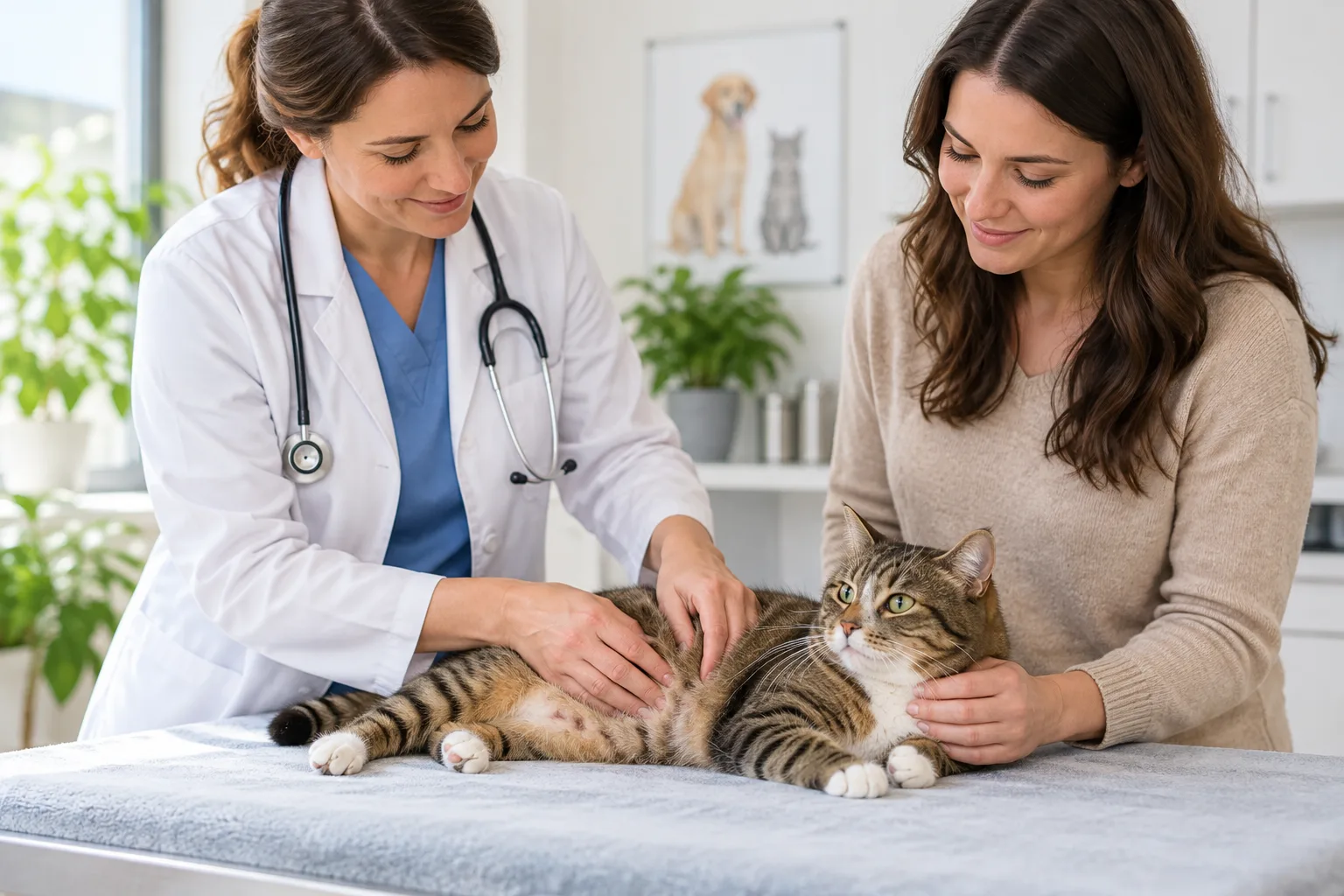
Veterinarian examining a tabby cat with its owner beside the table
✓ Policy-first ✓ Independent ✓ Useful checks
Direct answer
Pet insurance has no single universal price or maximum household cost. Your premium depends on the animal, residence and selected policy. More importantly, the policy’s payout ceiling limits what the insurer pays; it does not cap veterinary charges, excluded expenses or your share. A useful cost estimate therefore includes both the quoted premium and a stress test of costs left outside coverage.
What to know

Ask which number you are trying to bound

Number What it measures What it does not measure
Completed premium The quoted charge for maintaining selected coverage. All money you may spend on treatment.
Deductible A defined retained amount under the policy’s basis. An automatic maximum out-of-pocket cost.
Insurer payment limit The most the insurer pays within the stated limit. The largest bill a clinic can charge.
Care reserve Money you choose to keep available. A benefit guaranteed by the insurer.

Obtain a current quote for the real pet and address. Species, age, breed, coverage settings and extras can change it. A low starting price is not a ceiling for older animals, different breeds or richer benefits. No personalized quote or reliable maximum premium was collected for this guide.

If you want a comparison, preserve the complete selections and payment schedule with the number. An amount detached from its policy has no reliable upper-bound meaning.

Coverage

Watch what happens after the insurer’s limit is used

Consider a fictional contract that has already paid its entire annual medical benefit. A new eligible treatment bill is then $900. With no remaining payment capacity for that benefit, the owner retains the new $900 in this simplified example. If another $600 of care follows, retained spending rises by another $600. The premiums already paid do not refill the benefit.

That is the important shape of the exposure: after an exhausted payment limit, additional bills can become additional owner costs dollar for dollar. There is no universal household maximum implied by the insurance limit. Other benefits or a later policy period may follow different rules, so check the actual contract rather than assuming when capacity returns.

Before the ceiling is reached, the deductible, insurer share and any service-specific restrictions also matter. Request the insurer’s calculation for the expense you want to test. The fictional amounts here are not its prices or a quoted claim result.

Coverage

An excluded expense reaches you before any limit does

A high payment limit cannot help with an expense that fails the eligibility rules. Treat the medical-history question, excluded services and optional-benefit selection as separate gates before doing payout arithmetic. A policy can have ample unused capacity and still pay nothing for a particular charge.

For your own planning, make two columns: spending that might qualify under the medical benefit, and spending you already expect to handle separately. Include scheduled routine care in the second column unless you are pricing a specific preventive benefit. Do not count its full advertised allowance as an automatic reduction in household spending.

Ask for a reason when an item is outside the proposed protection. Is it a pre-existing condition, a service exclusion, a missing option or a timing requirement? Different answers imply different shopping decisions. A larger limit only addresses the limit problem.

If your actual pet already needs care, ask the veterinarian about the care plan and payment options now. A newly purchased policy should not be treated as a way to retroactively fund an existing problem.

Decision guide

Turn an open-ended question into a usable decision

You cannot reliably forecast the largest future bill. You can choose a documented test: an expense you want help absorbing, a continuing course of care, or additional treatment after the benefit has been used. State the assumptions and ask each insurer what remains yours. Do not call the result an expected annual cost unless you have a defensible probability model.

Then ask whether you can maintain the premium and handle the retained amount in that test. Also check the clinic payment timing. Eventual reimbursement and money available at the appointment are different requirements.

Revisit the exercise when you receive a renewal offer, change an important benefit or learn of a new limitation. Avoid treating today’s premium multiplied by the pet’s expected lifespan as a reliable lifetime price.

The answer is not a single dollar maximum. It is a current premium you can verify, an explicit boundary around what the policy pays, and a deliberate plan for the expenses beyond that boundary.

Evidence

Sources and policy context

These public references support the consumer or veterinary context. Named insurer details were checked in official product materials; the policy offered for your pet and state determines the actual terms.

Next step

Compare Current Pet Insurance Rates

Check current options for your pet and location, then compare the policy details, exclusions, costs, and eligibility before choosing.

Compare the policy before you choose Check the actual offer, exclusions and out-of-pocket terms.
See Rate Options